

Self-Portrait, c.1780. Yale Center for British Art.
I think we often think that, with the growth of culture and leisure in the eighteenth and nineteenth century, that the be-all and end-all is London (or, perhaps Bath).
But, of course, this was not true.
For starters, I want to share with you the first major British painter to have a celebrated career outside of London, Joseph Wright of Derby.
Wright was born in 1734 in Derby, and trained twice in London with the painter Thomas Hudson, who was a portraitist, in the 1750s.
Wright did spend time working outside of his home in the East Midlands: he spent time in Liverpool in the late 1760s, as well as an unsuccessful stint in Bath when he hoped to jump on the back of the success of Thomas Gainsborough. He also, perhaps most importantly, spent a couple of years in Rome, from 1773 to 1775.

Wright of Derby became famous as a painter of light, or candlelit paintings, and his association with the Enlightenment and the recording of scientific advancements.
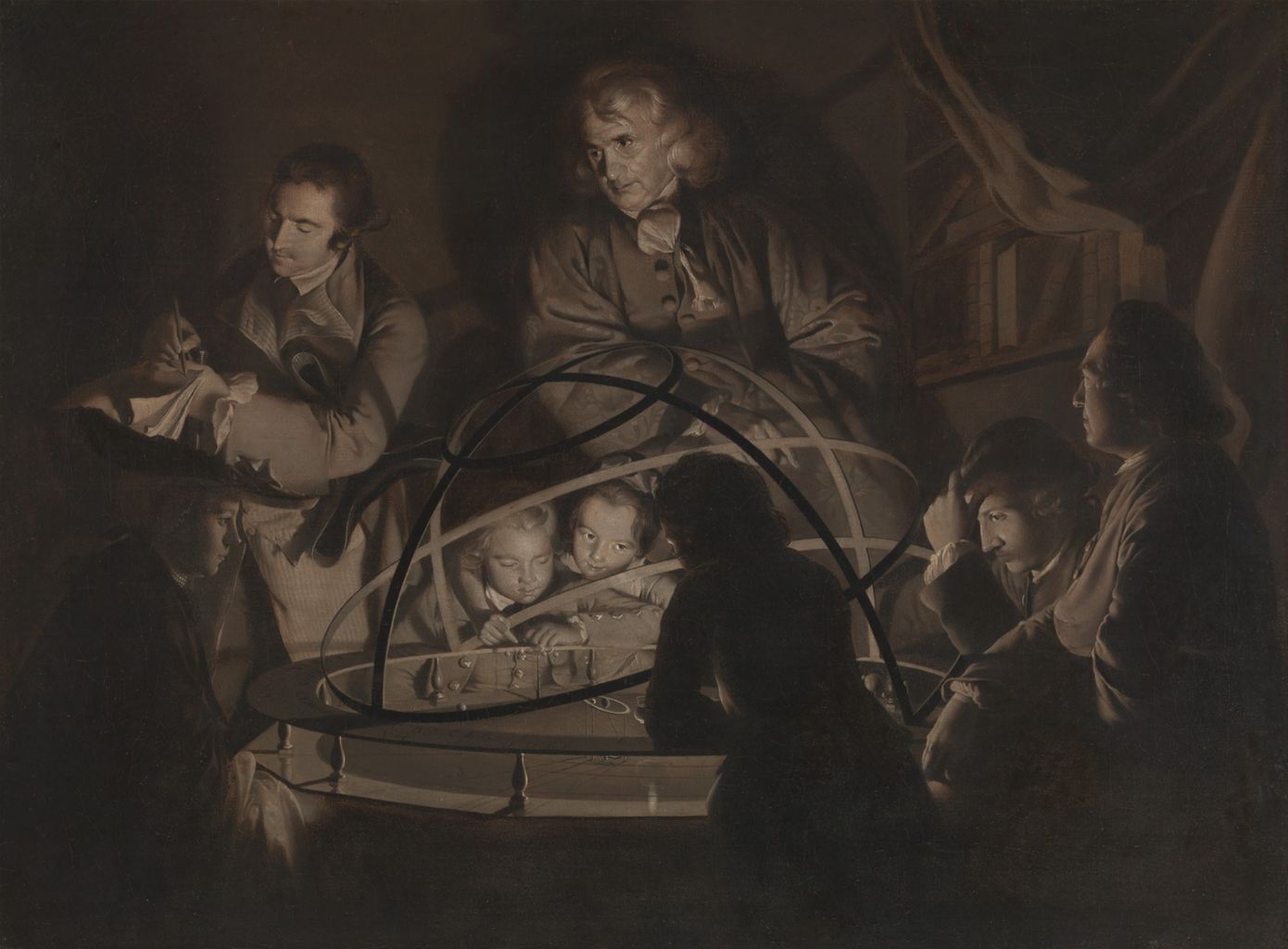
He painted experiments, famously alchemy, lectures and meetings, important figures, particularly those associated with the Industrial Revolution in the Midlands.
He would paint members of the Lunar Society, a society of intellectuals, industrialists and natural philosophers who were based in Birmingham, prominent figures in the Midlands Enlightenment.
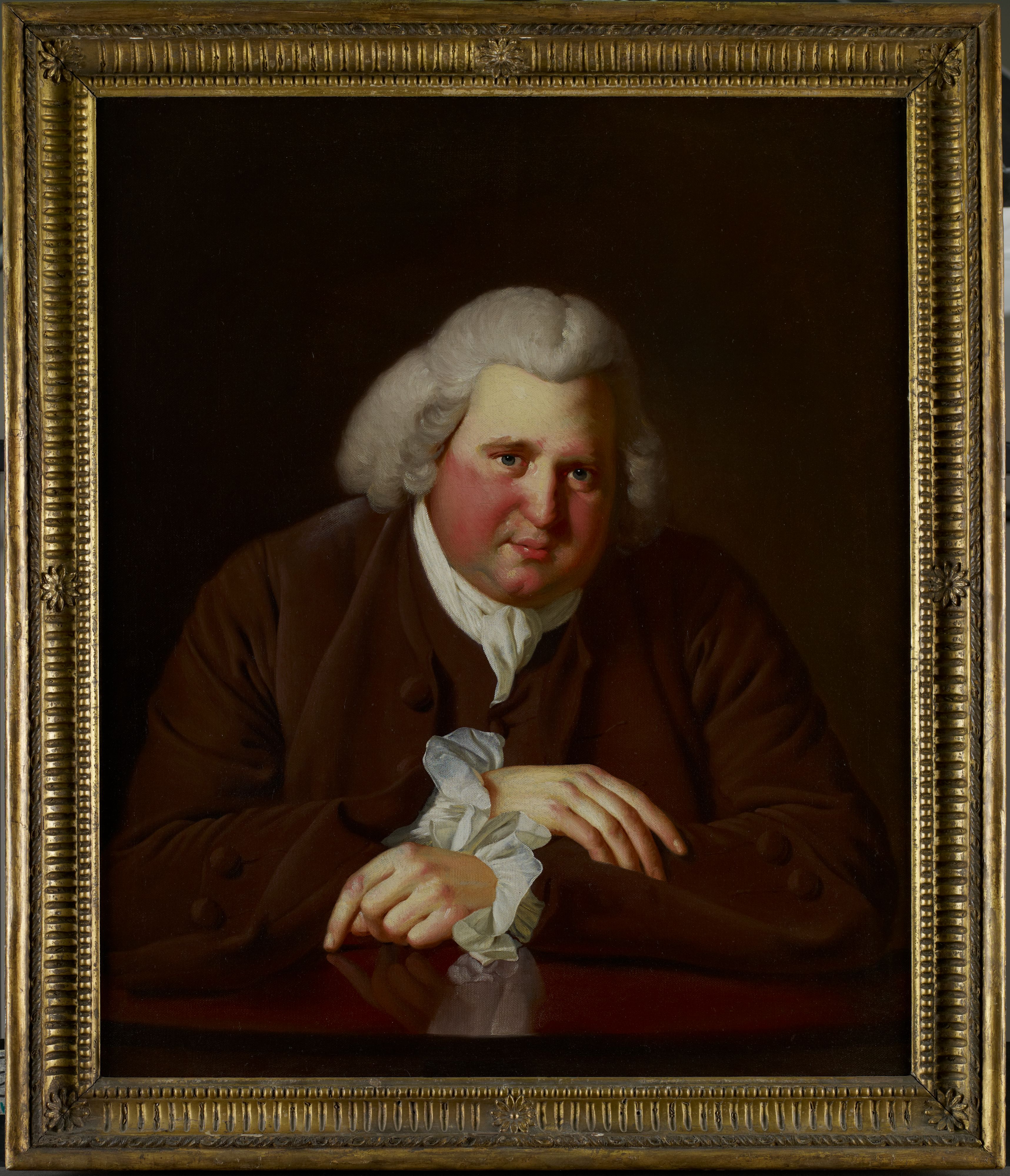
He would later also become enraptured by literary scenes and the landscape, but remained closely associated with the Midlands Enlightenment for the rest of his life, until he passed away in 1797: a local midlands artist who literally shed light on a different part of England.


 Dr. Lizzie Rogers
Leave a comment