

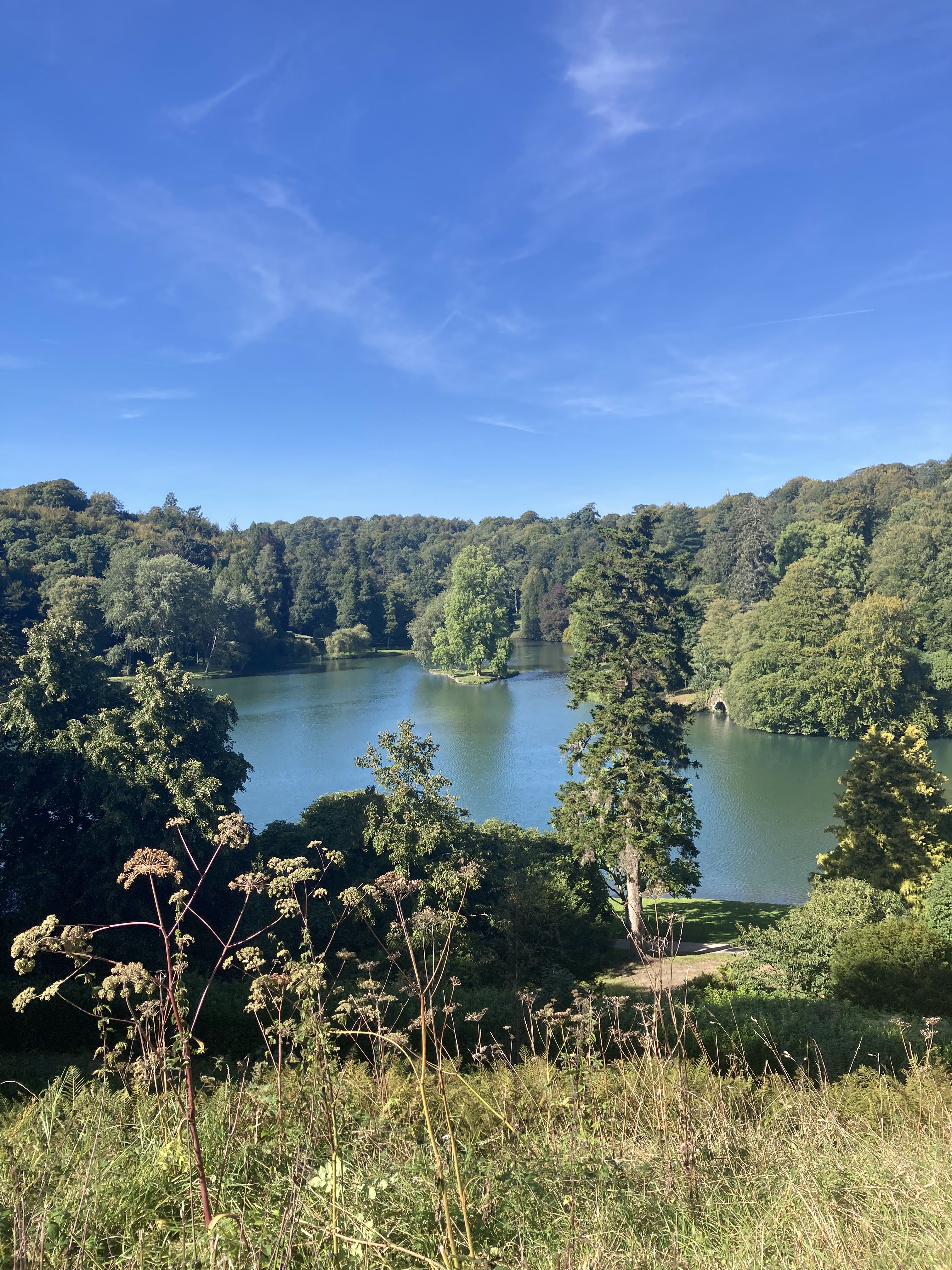
Visiting the gardens at the sprawling estate of Stourhead, Wiltshire, is like walking into a Claude Lorrain painting, or some kind of fantastical neoclassical, Grand Tour dream.
In fact, Henry Hoare I, who first acquired the Stourhead estate for his family in 1717 (then known as Stourton Manor) owned a Lorrain painting, Aeneas at Delos. But it was his son, Henry Hoare II, who can be seen as truly responsible for the incredible garden.
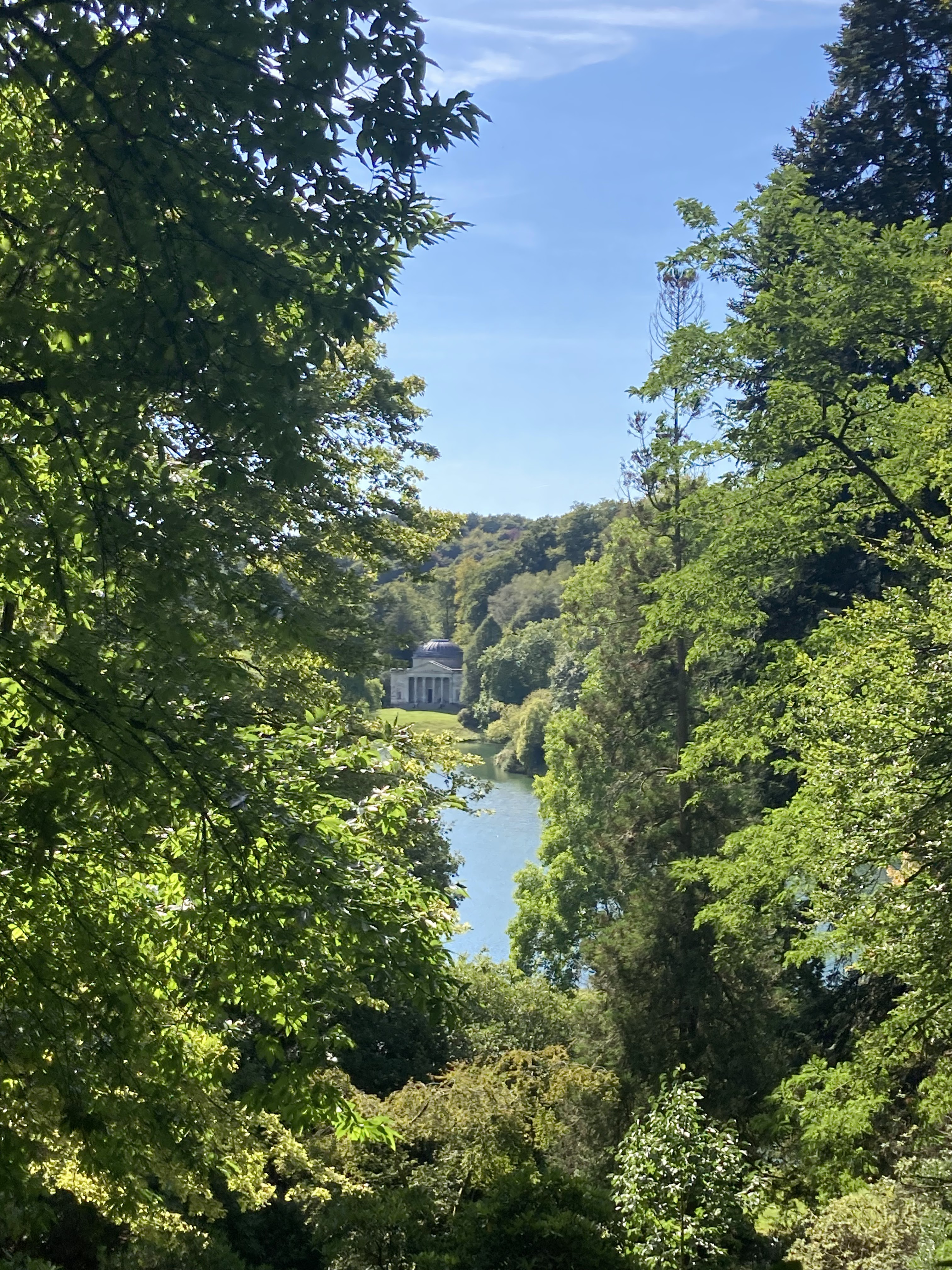
Henry II (also known as Henry the Magnificent, great name to be given) was inspired by another French painter, Nicolas Poussin, and his depictions of the classical world in landscapes.
Henry II had spent time in Europe pursuing the Grand Tour – as most rich young people did during the eighteenth century – and he – like most of said people who spent time in continental Europe – was fascinated by the classics. He worked with architect Henry Flitcroft to try and make his vision a reality, creating neoclassical buildings, temples and shrines around the artificial lake.
The first building that Henry II completed in his garden was the Temple of Flora, in 1746.
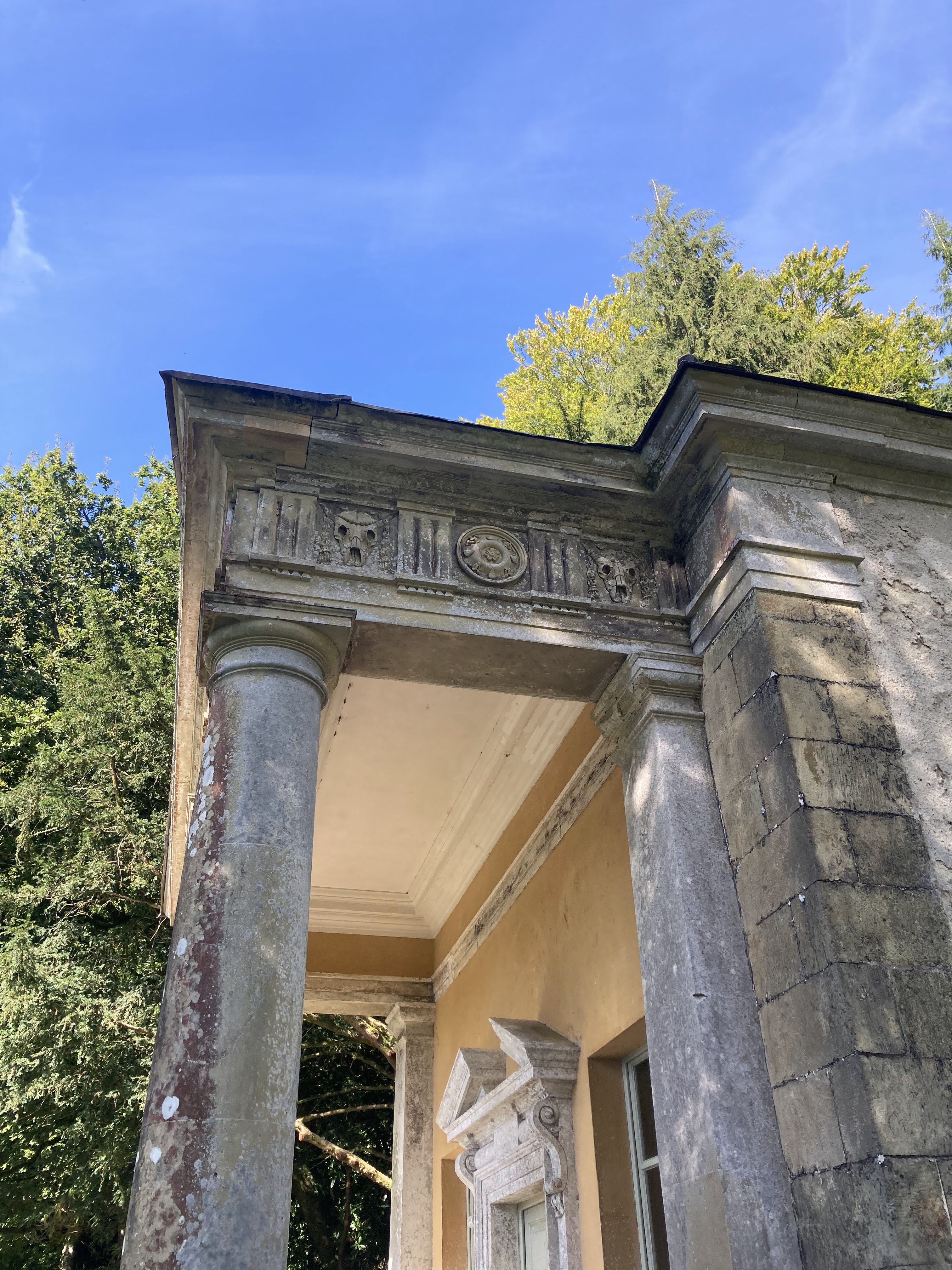
In the 1750s, this was joined by the Pantheon. As the name might suggest, it was directly inspired by the Pantheon in Rome. Henry II filled his with statues honouring gods, goddesses and heroes from a variety of classical eras: not just Roman, but Egyptian, Greek and Christianity. Henry II’s grandson, Sir Richard Colt Hoare, went as far as describing the Pantheon in 1822 as
“the most magnificent building, perhaps, that ever decorated the grounds of an English individual.”
It is high praise indeed, but the building is stunning, and I loved the eclectic mix of who was represented there.

My personal favourite was the Diana statue, holding her bow and arrow and with her tiny moon headdress, but the Hercules, commissioned by Henry II from Michael Rysbrack in 1747, was also incredibly impressive.

Henry II also managed to get a true antique statue in there: Livia Augusta as Ceres (the Roman goddess of harvest, fertility and motherhood), a marble statue dating to the 1st century CE.
These are not the only temples: you can also admire the Temple of Apollo, completed in 1765. This looks proudly over the landscape, and I can say was a very good spot for a wedding (one was happening whilst we were there, and it looked beautiful).
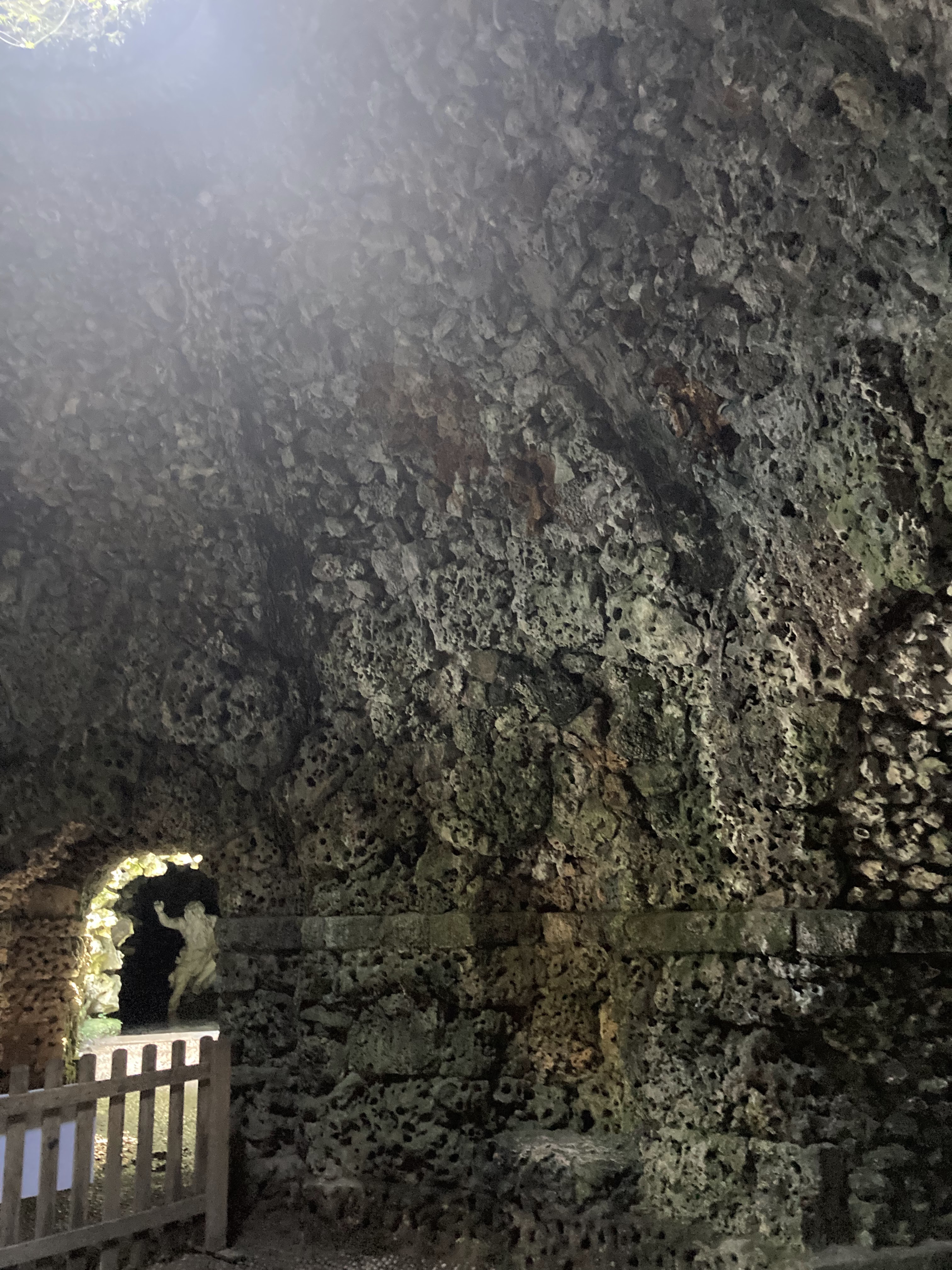
Another favourite spot of mine when we walked around the garden was the Grotto. Grottoes like these were incredibly popular in Italy as a means to get out of the hot sun, and Henry II made sure his classical garden had one. It definitely felt ethereal down there, and of course featured a statue of a River God.
I also loved the Palladian bridge: a bit different to the Palladian bridge I just wrote about at Prior Park, it is more simple, but no less gorgeous in the landscape. Henry II actually installed the bridge upon the recommendation from his daughter, Susanna.

Susanna (Brudenell-Bruce, Countess of Ailsbury upon her second marriage in 1761) is very interesting in her own right because of her aptitude for needlework artistry, but her father wrote to her in 1762 announcing that the bridge was in the garden, telling his daughter:
“You allways wish’d I would build at the passage into the orchard … This bridge is now about. It is simple & plain I took it from Palladio’s Bridge at Vincenza, 5 arches, & when You stand at the pantheon the Water will be seen thro the Arches.”
Henry II and Susanna are not the only ones we should thank for the unique features at Stourhead. Sir Richard Colt Hoare, Henry’s grandson whom I mentioned earlier, inherited the huge estate in 1783. He took out some of his grandfather’s structures, and made more of the cottage in the grounds.

Under Sir Richard, what had previously been Watch Cottage became the Gothic Cottage by adding a porch and a tracery design to the window, showing the increased reverence for Gothic architecture as the eighteenth century became the nineteenth. Records show that the cottage was lived in, at various times, by servants of the estate, or lodgings granted as an act of charity to local people in need.
Something that surprised me to learn was that the Bristol Cross – a distinctly medieval monument which definitely stands out amongst all the homages to the classical era – was not installed on the estate under Sir Richard, or later. No, this was the brainchild of Henry II, who had six wagons pull it to Stourhead from Bristol in 1765!

I thought that it might have gone along with the Gothic additions to the landscape (particularly because, I don’t know about you, but it reminded me of even later Victorian structures, even the Albert Memorial in London), but no.
It serves as a great reminder that even though we tend to think of the eighteenth century in Europe, and in Britain, being one of great, universal reverence for everything classical and antique, there was also a love of the Gothic and medieval too. Robert Adam even designed in the Georgian Gothick style as well as the Neoclassical, even if it was a less popular choice.
Stourhead is an incredible state and feat of garden design. We were lucky to go on a beautiful sunny day, and are already excited to visit when the leaves change colour. Not only that, but the house and family are incredibly interesting too: but more on that another time…

 Dr. Lizzie Rogers
Leave a comment