

It’s long been on my list to take a trip to the small village of Steventon, Hampshire. Steventon is small, but incredibly auspicious, as it is the birthplace of Jane Austen. Not only that, but it is where she largely spent the first twenty-five years of her life, leading her nephew, James Edward Austen-Leigh, to write of the place in his Memoir of Jane Austen that it was “the cradle of her genius”.
Steventon is quite different to visiting Chawton, or Bath, the other main locations associated with Jane Austen’s life.
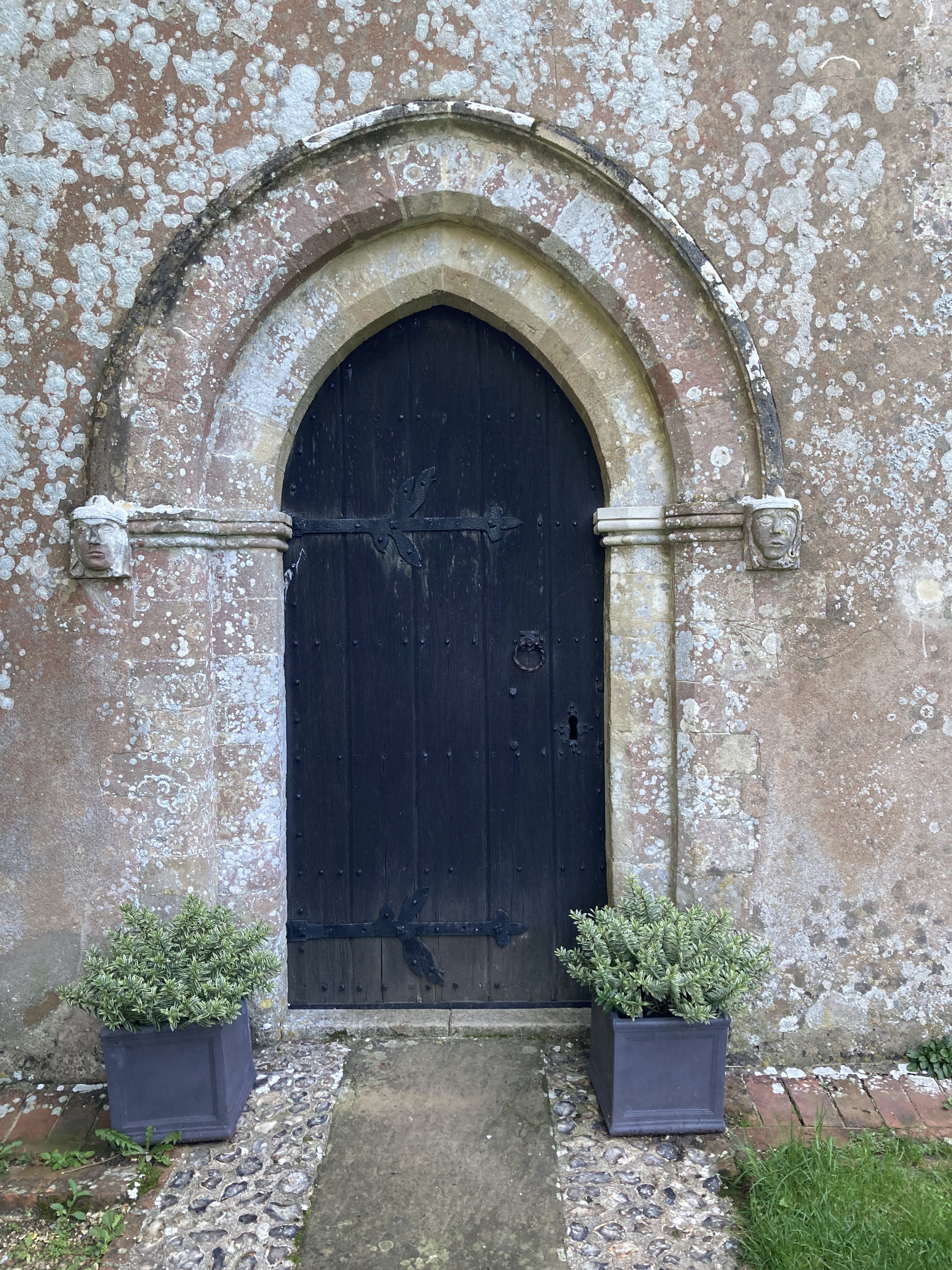
Firstly, in terms of logistics, it is far more difficult to get to, down winding country lanes that you really need to be able to drive to (though there is this excellent blog post here about visiting that does explain getting there on public transport).
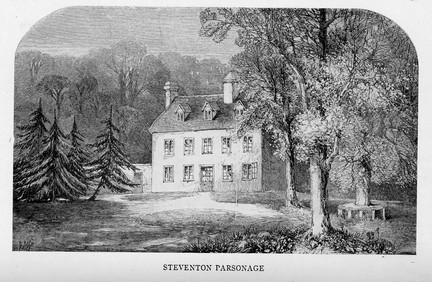
Secondly, much of Jane’s existence is effectively a whisper on the landscape: the church can be visited, but the Steventon Rectory, where Jane was born and grew up, no longer exists. It is long gone, having been demolished in the 1820s by William Knight, Jane’s nephew, who built a newer one across the road.
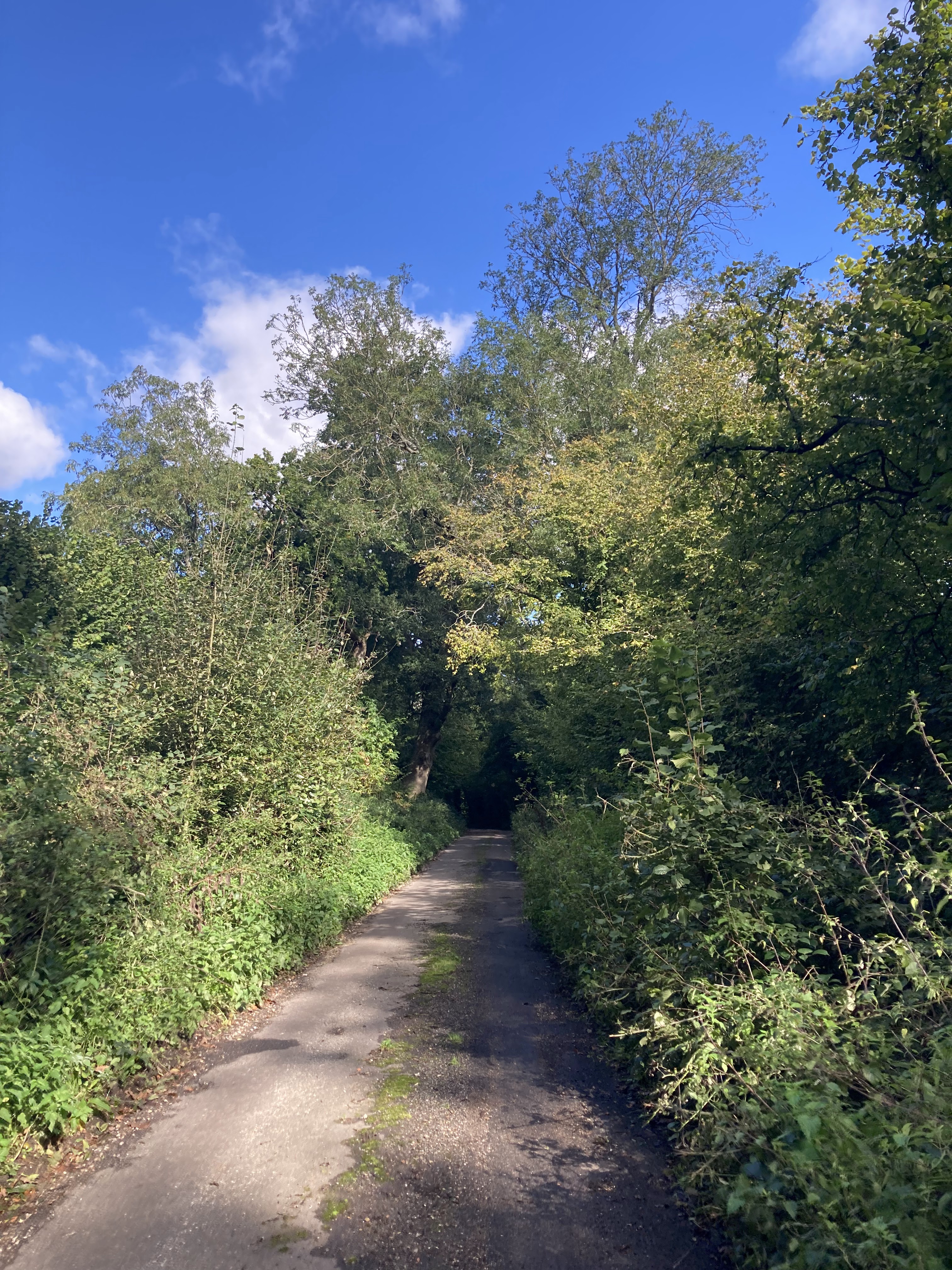
But, that makes it no less special. In some ways, because it is more untouched and quieter, it makes visiting all the lovelier.
The parishes of Steventon, and Deane, were purchased for the Reverend George Austen by his Uncle Francis and another wealthy relative, Thomas Knight, in 1764.
That same year, he married Cassandra Leigh, and they settled into the rectory at Steventon, where they grew their family.
On the 16th December 1775, Jane Austen was born, the seventh of their eight children: it was a busy household. Her second eldest brother George, who suffered from some kind of mental disability, was looked after by a local family in Monk Sherborne alongside his Uncle Thomas Leigh, where they would be visited regularly.
The Austens were not financially rich, but they had a culturally and socially rich home that had them reading, learning, writing and creating, alongside many friends and family members who would frequent the rectory.
Austen-Leigh wrote in the memoir a description of Steventon:
“Steventon is a small rural village upon the chalk hills of north Hants, situated in a winding valley about seven miles from Basingstoke…
It is certainly not a picturesque country; it presents no grand or extensive views; but the features are small rather than plain. The surface continually swells and sinks, but the hills are not bold, nor the valleys deep; and though it is sufficiently well clothed with woods and hedgerows, yet the poverty of the soil in most places prevents the timber from attaining a large size. Still it has its beauties. The lanes wind along in a natural curve, continually fringed with irregular borders of native turf, and lead to pleasant nooks and corners…
But the chief beauty of Steventon consisted in its hedgerows…
Under its shelter the earliest primroses, anemones, and wild hyacinths were to be found; sometimes, the first bird’s-nest; and, now and then, the unwelcome adder. Two such hedgerows radiated, as it were, from the parsonage garden.”
The best place to start on a trip to Steventon is at the church.
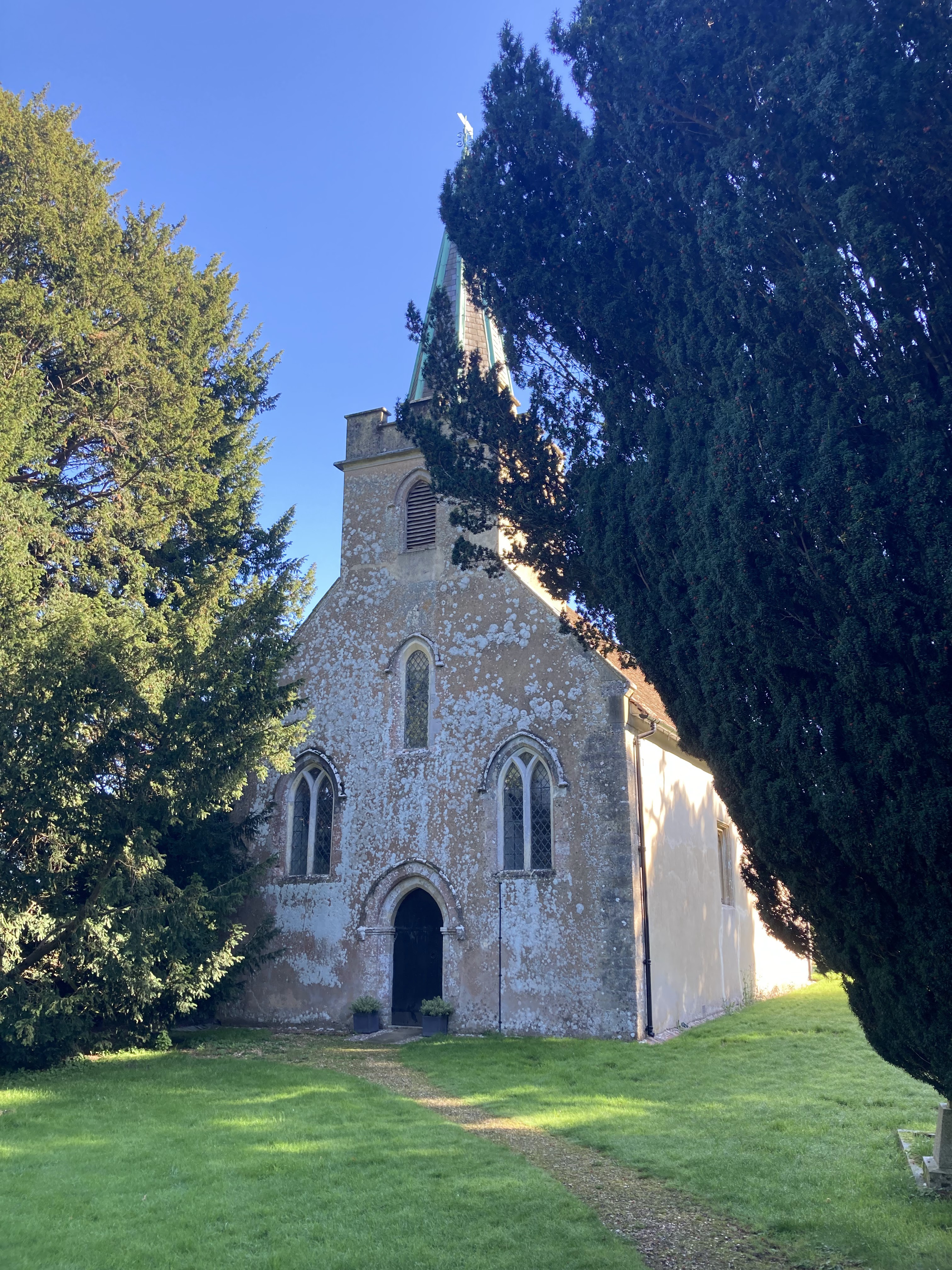
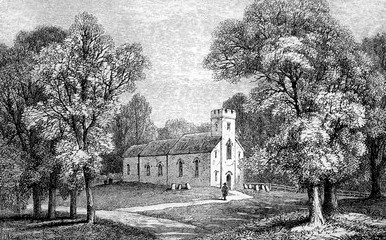
The church of St. Nicholas is a beautiful building, with nineteenth century additions including the spire, beautiful decoration above the arch and stained glass windows. It would have been much more plain in Jane’s time, and originally dates to the thirteenth century.
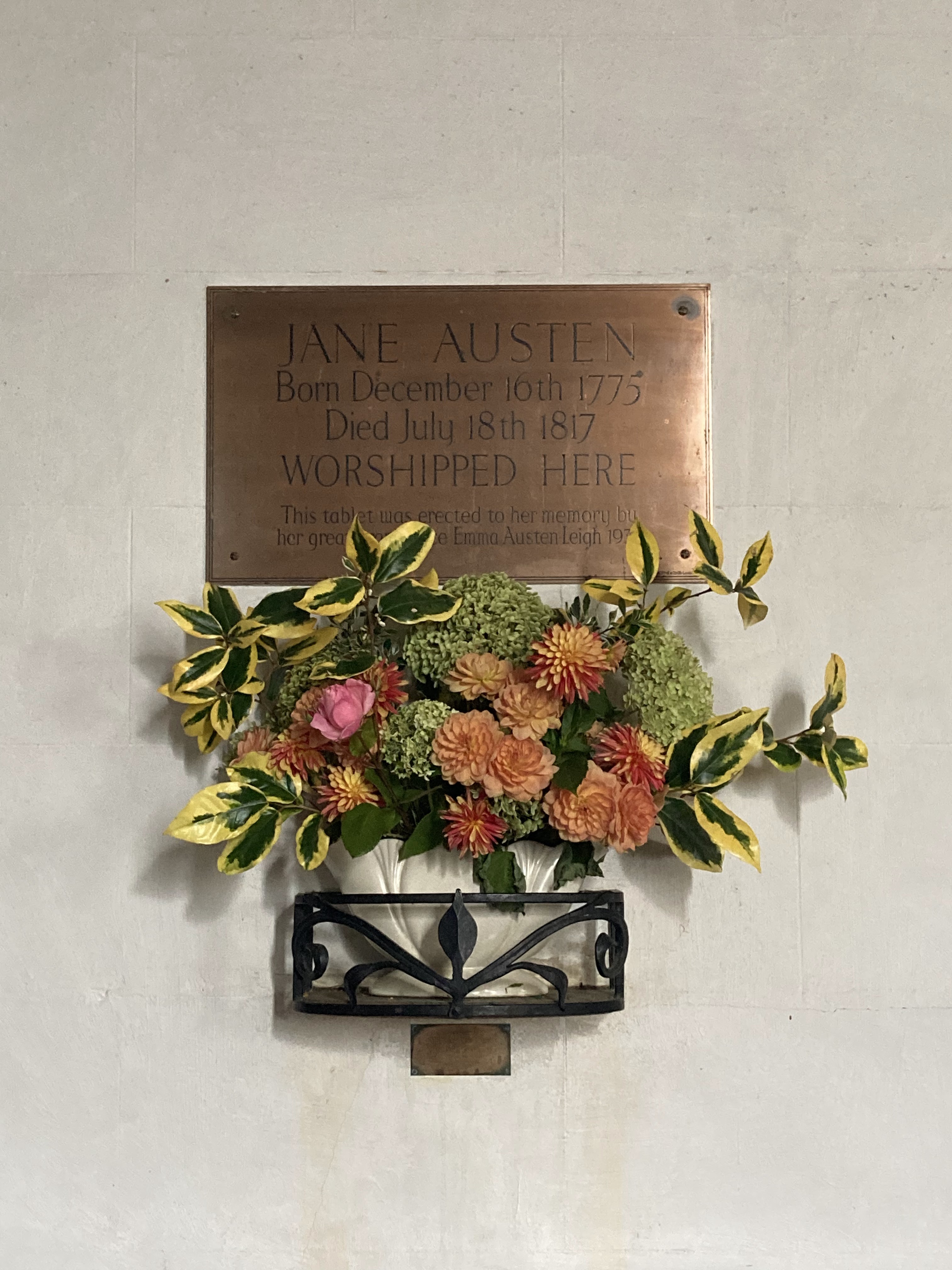
There is a more modern plaque from the 1930s commemorating the famous author’s time there, as well as a memorial to James Austen, Jane’s oldest brother, who served as rector of the parish there after his father retired.
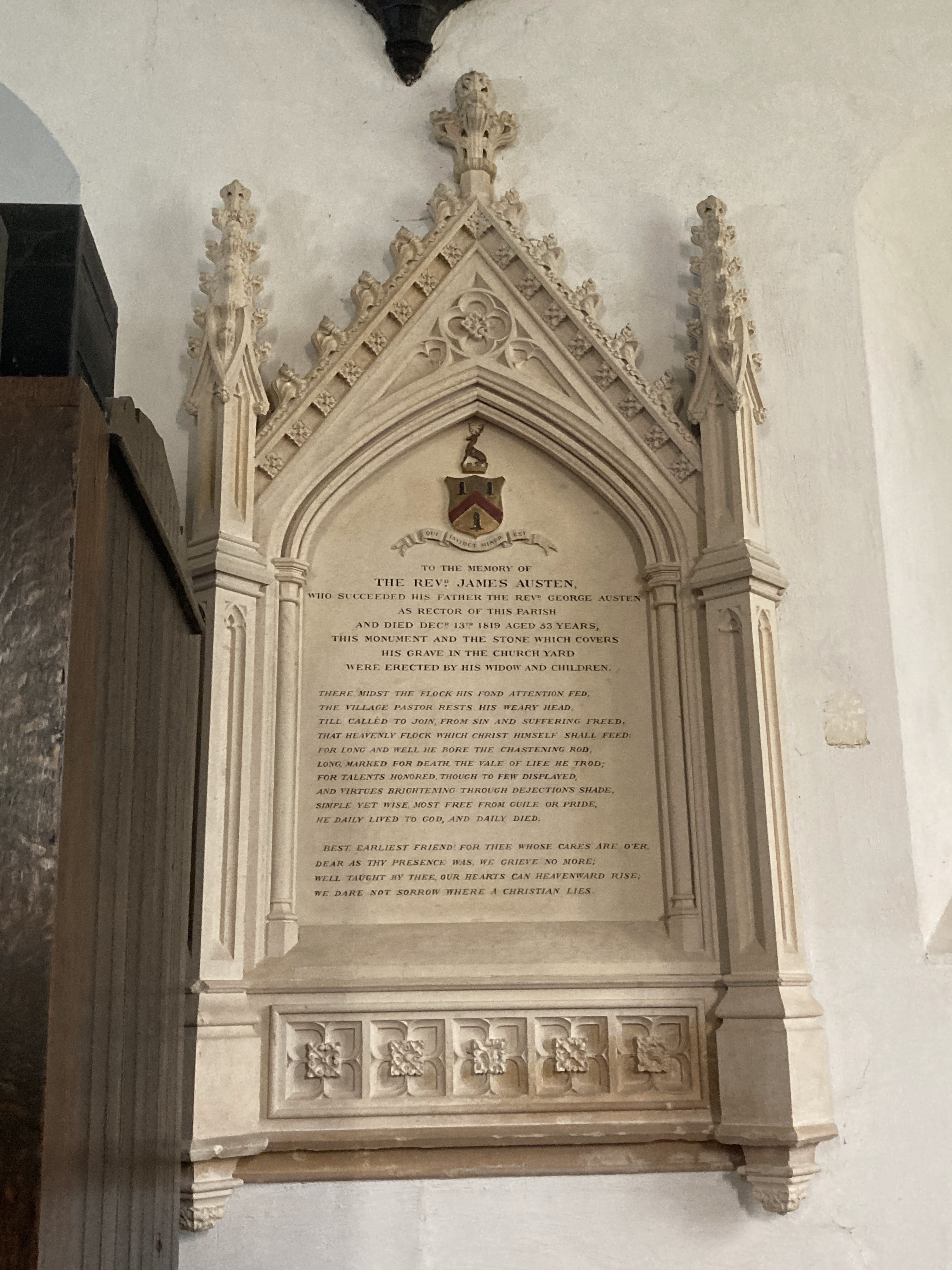
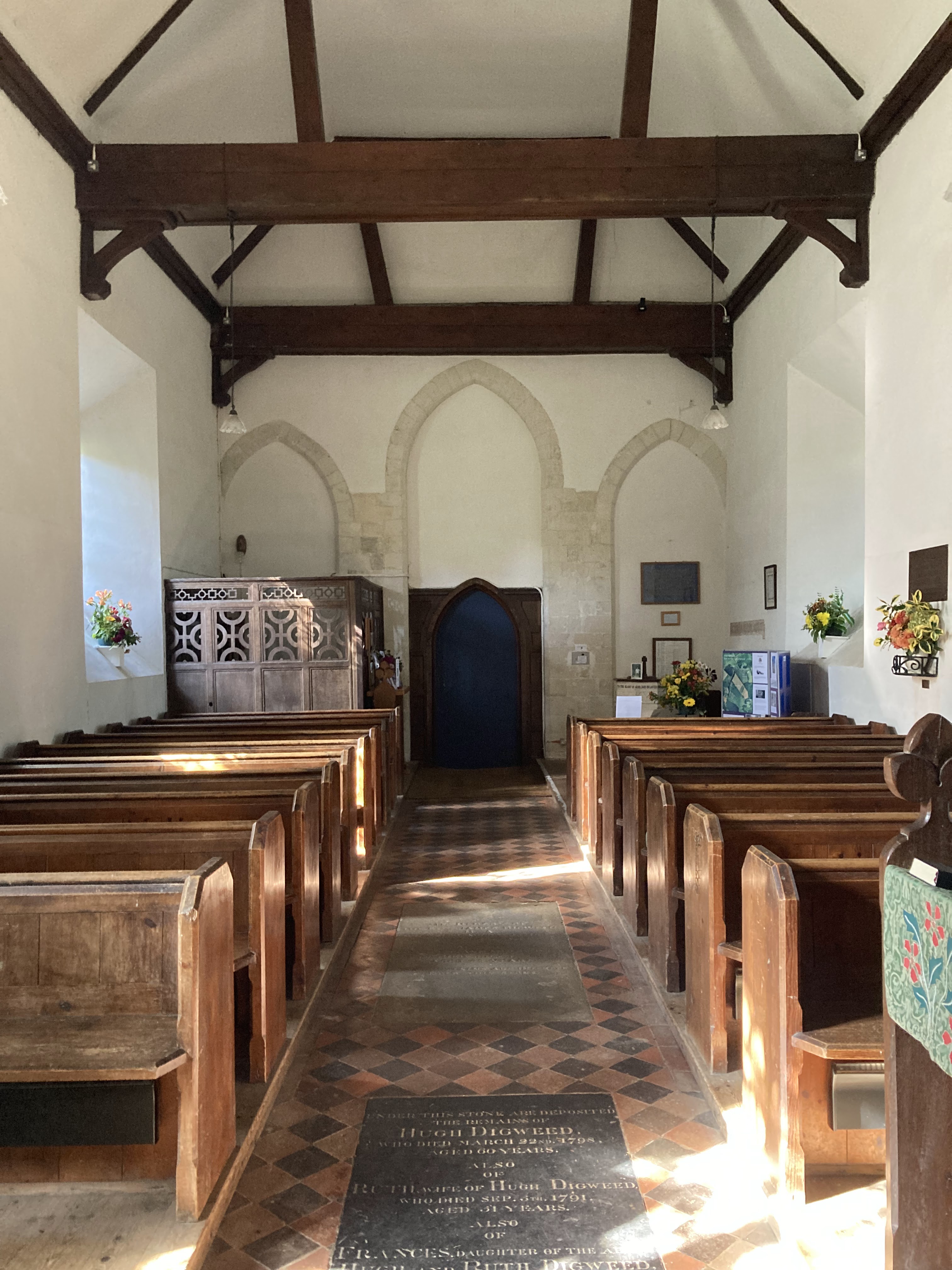
You can imagine both the Reverend George Austen, and then his son James, in the pulpit, with the Austens and their community filling the pews.
Something I would love to one day see if possible are the church registers here. The registers were where births, marriages and deaths were recorded, and on the sample sheets at the front (included so that the clergy might see how to record these important pieces of information), Jane penned some fictional names in here: Miss Jane Austen of Steventon would marry a Henry Frederick Howard Fitzwilliam of London, and an Arthur William Mortimer of Liverpool, and a Jack Smith. It’s so funny to think about a teenage Jane, or younger, writing these things in and smiling to herself.
After visiting the church, you can take a walk down the lane, flanked by fields and trees, and know that you are walking in the literal footsteps of Jane and her family as they frequented the route between the church and their home at the rectory.
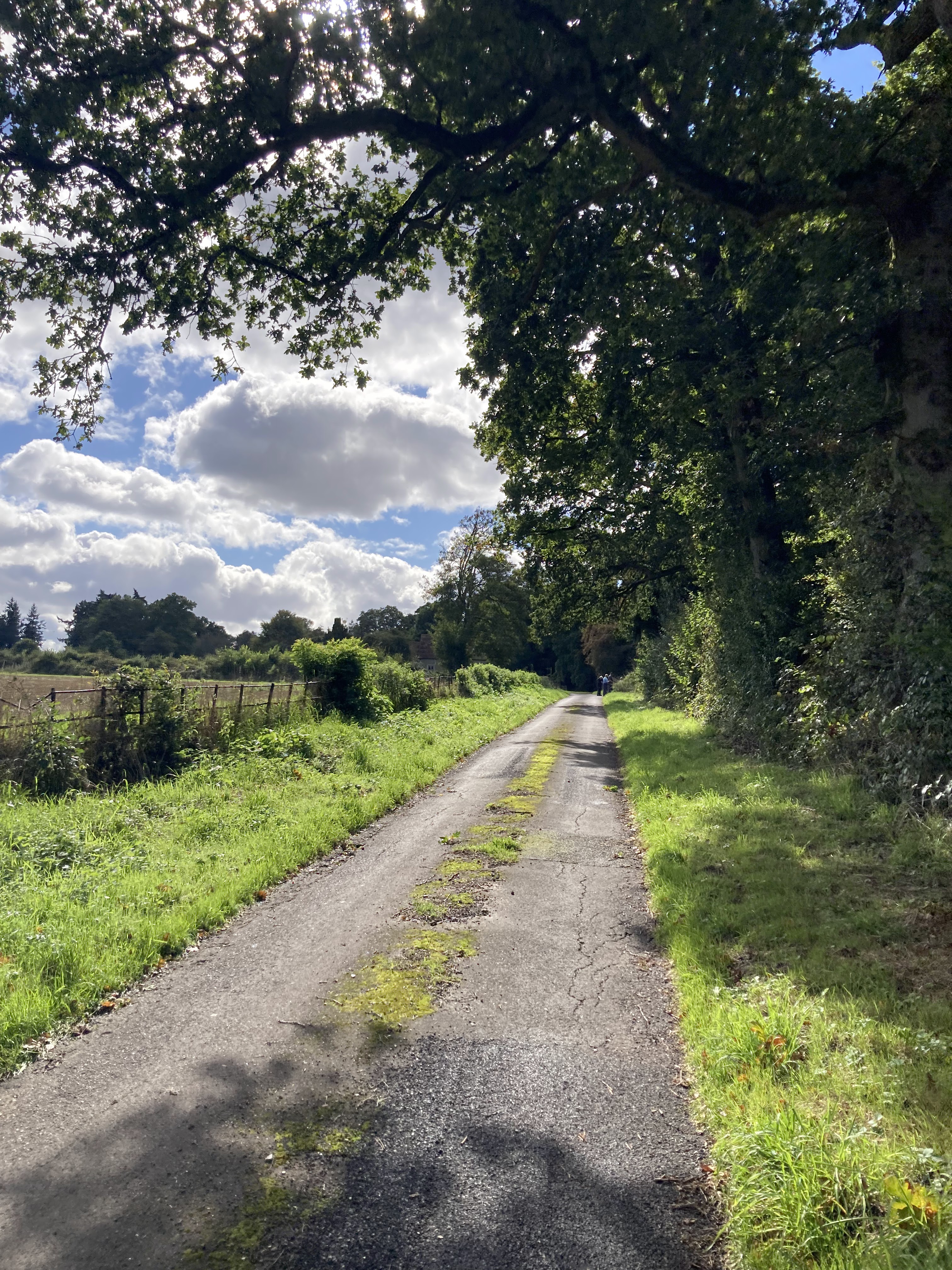
The rectory, as I mentioned earlier, is unfortunately no longer there, but you can look across the fields to where it used to be. This is where Jane first wrote, first read her compositions aloud, acted with her siblings, and all of those wonderful activities that we know made an incredibly creative childhood.
It was probably here that Jane wrote Lady Susan, assumed to be between 1793 and 1794. Here she wrote the first draft of Pride and Prejudice, then known as First Impressions, between October 1796 and August 1797: her father offered the manuscript to a publisher later in 1797, who – stupidly, as I’m sure we all agree – rejected it by return of post. At Steventon, she also wrote an early version of Northanger Abbey, known then as Susan.
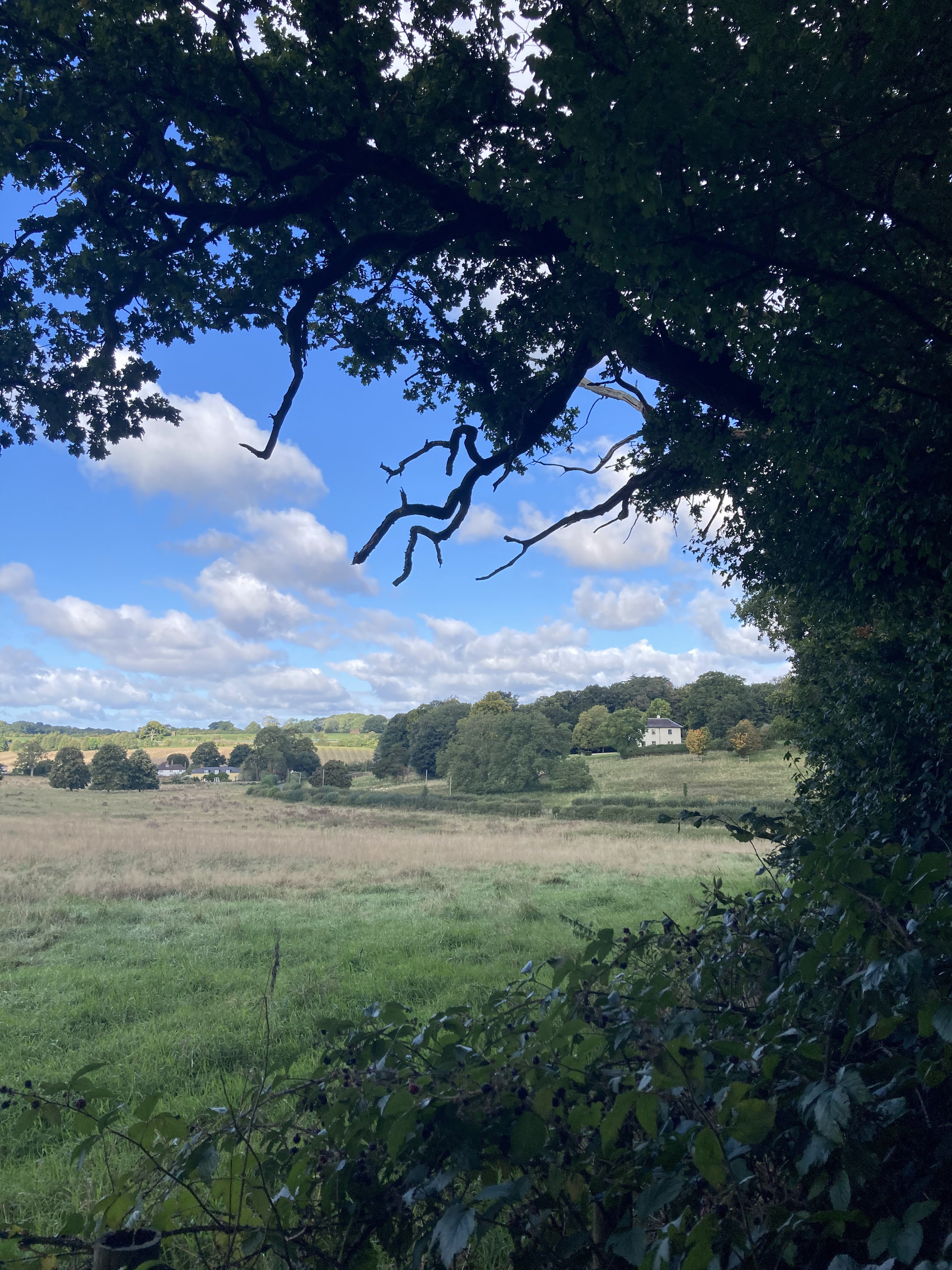
It is strange to think of all these things happening in a building that is now just a field: but I still very much enjoyed looking across where the rectory would once have been.
I was lucky enough to visit Steventon whilst on a short research fellowship at Chawton House in September, in the company of a fellow Austen researcher and enthusiast, Dr. Anne Fertig. We hugely enjoyed wandering down the lane, exploring the church, and thinking about where things would have been, and what the lives of the Austen family would have been like.
In her short life of only forty-one years, Jane lived here for the longest period. Towards the end of 1800, Reverend Austen decided to retire, and to move his family to Bath. James Austen took over his father’s parish, and moved into the rectory with his second wife Mary Lloyd. Jane went with her family to Bath, moving into No.4 Sydney Place Gardens: Jane’s life in Bath, you can read about here.
Read more here:
James Edward Austen-Leigh’s memoir of Jane Austen is available for free to read here.
I am also indebted to a wonderful booklet by Michael Kenning, Steventon: The cradle of Jane Austen’s Genius, that I bought at St Nicholas’s Church, Steventon.

 Dr. Lizzie Rogers
Leave a comment