
Places
-
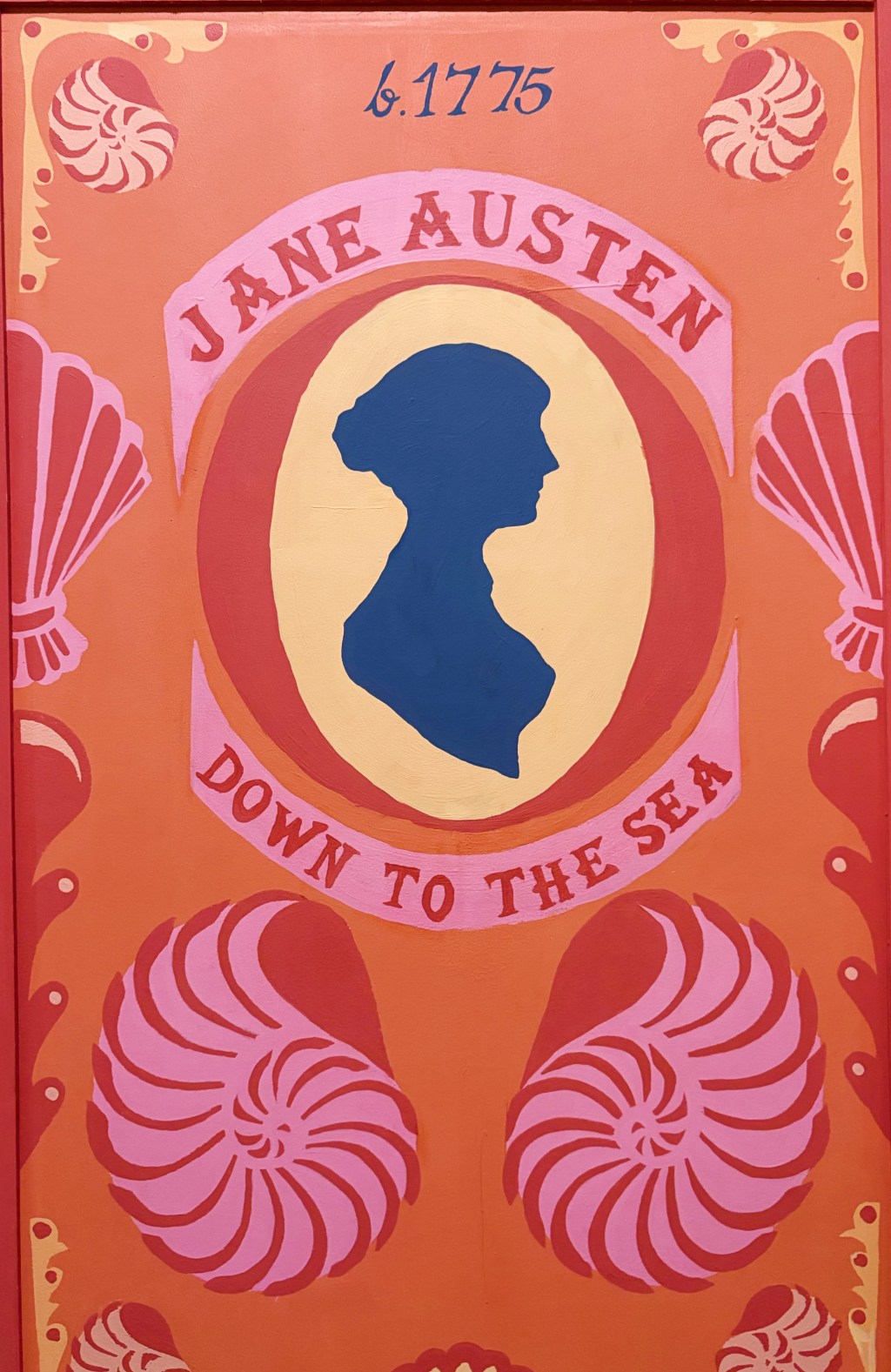
Exhibition | Jane Austen: Down to the Sea
People in eighteenth- and early-nineteenth-century Britain loved the seaside. It’s an important period in the growth of a seaside resort holiday, and towns like Brighton and Lyme Regis grew exponentially. Jane Austen frequently referenced seaside towns, or indeed, took her characters there. She even began to create a whole fictional resort of Sanditon, before having read more
-

“the cradle of her genius”: Jane Austen and Steventon
It’s long been on my list to take a trip to the small village of Steventon, Hampshire. Steventon is small, but incredibly auspicious, as it is the birthplace of Jane Austen. Not only that, but it is where she largely spent the first twenty-five years of her life, leading her nephew, James Edward Austen-Leigh, to read more
-
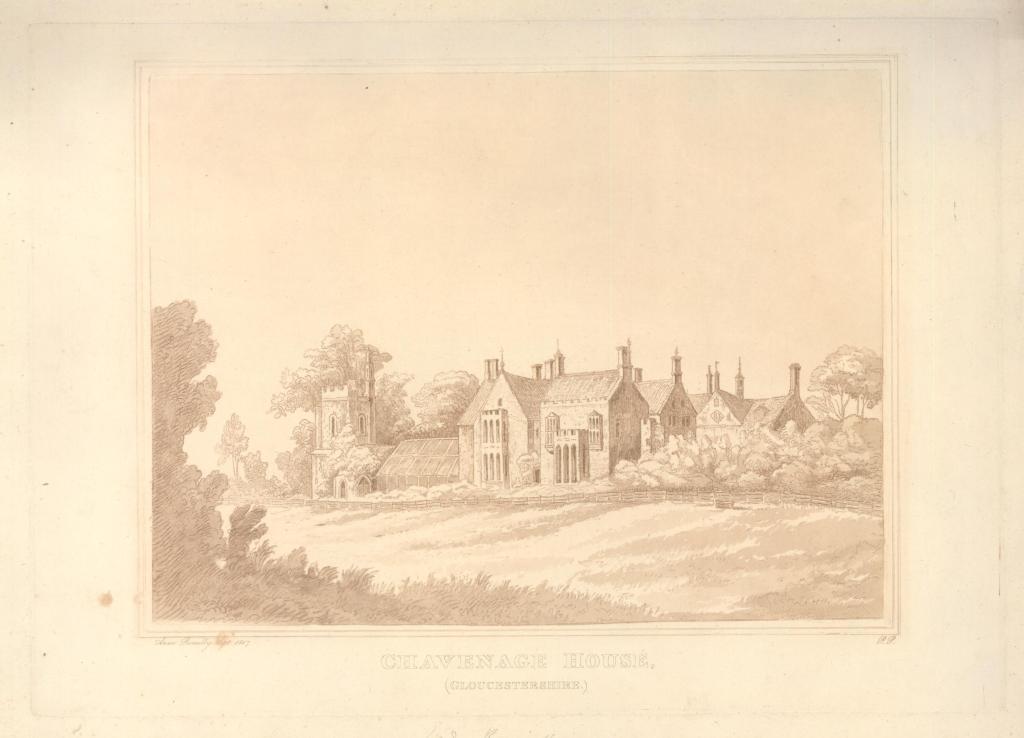
Mini-Post | Chavenage House on screen
Rivals – a period drama that takes us to the cutthroat world of 1980s television, society and politics, as based on Jilly Cooper’s 1988 novel – has a great cast (and great soundtrack) but has also done some genius location casting, too. Enter Aidan Turner as Declan O’Hara, journalist and presenter of a brand new read more
-

A Classical Landscape at Stourhead
Visiting the gardens at the sprawling estate of Stourhead, Wiltshire, is like walking into a Claude Lorrain painting, or some kind of fantastical neoclassical, Grand Tour dream. In fact, Henry Hoare I, who first acquired the Stourhead estate for his family in 1717 (then known as Stourton Manor) owned a Lorrain painting, Aeneas at Delos. read more
-

Jane Austen in Bath
Humphry Repton, North Parade, Bath, 1784, Yale Center for British Art, Paul Mellon Collection, B1986.29.460. Bath, a Georgian city that was descended upon during the eighteenth century for its fashionable surroundings, for its healing waters and its vibrant social scene, had many famous residents during its historical heyday. However, as the eighteenth century became the read more
-
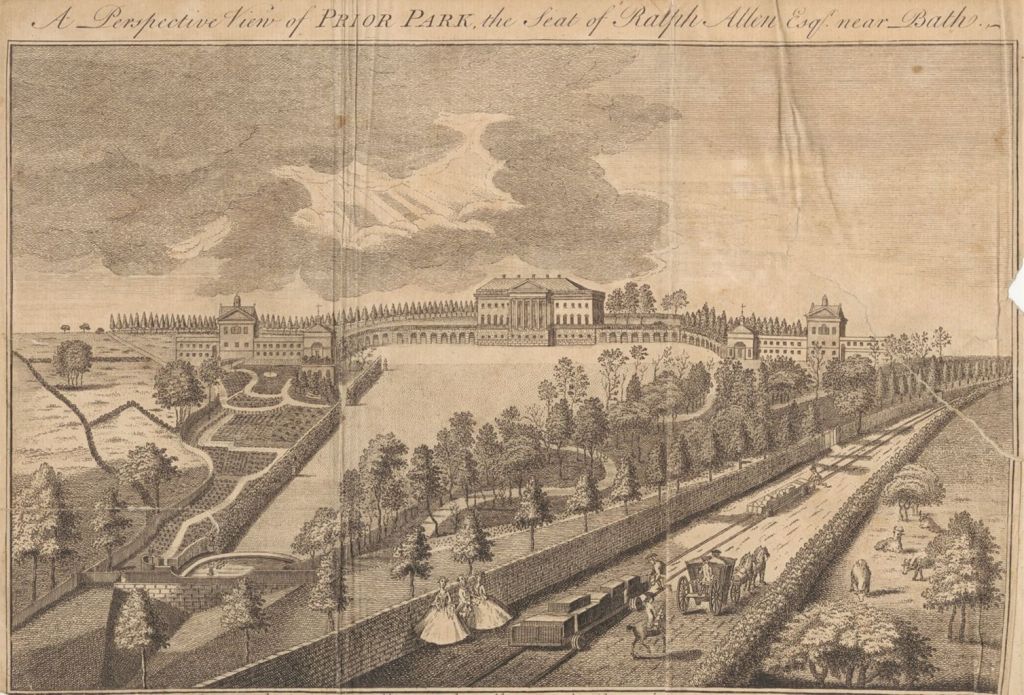
Visiting Prior Park Landscape Garden, Bath
Print made by unknown artist, A Perspective View of Prior Park, the Seat of Ralph Allen Esq. near Bath, undated, Yale Center for British Art; Yale University Art Gallery Collection, B1998.14.180. Welcome to Prior Park, a beautiful garden overlooking the Georgian city of Bath that is home to this stunning Palladian bridge: one of only read more
-

The Rules of the Ballroom
Watching Bridgerton, and ultimately reading a LOT of Regency romances recently, has had me fascinated even more by the ritual of attending balls: and of course, balls in the eighteenth and nineteenth century were governed by strict rules. Here are some of them below: Firstly, you should never attend a private ball without an invitation, read more
-

Introducing debutantes at Queen Charlotte’s Ball
Thomas Gainsborough, Queen Charlotte, Met Museum. You may have noticed, if you have immersed yourself in the Regency fantasy world of Bridgerton recently, that each series begins with the presentation of society’s debutantes to Queen Charlotte. Young ladies queue up in white dresses, escorted to the Queen, where they curtsey and are examined by the read more
-

Attending Almack’s in Regency London
Print made by James Caldwall, The Cotillion Dance, 1771, Yale Center for British Art, Paul Mellon Collection, B1977.14.11242. If you were part of high society in late eighteenth or early nineteenth century London, a key social location of the season was Almack’s. Located on King Street behind St James’s Square, Almack’s put on balls and read more
-

Visiting Vauxhall Pleasure Gardens
One of my favourite things to read about in eighteenth and nineteenth century history is how, and where, people spent their free time. The eighteenth century saw a real change in the development of leisure and pleasure, especially for the elite, which meant the arrival of more cultural institutions and places to satisfy these needs. read more
Subscribe
Enter your email below to receive updates.
 Dr. Lizzie Rogers